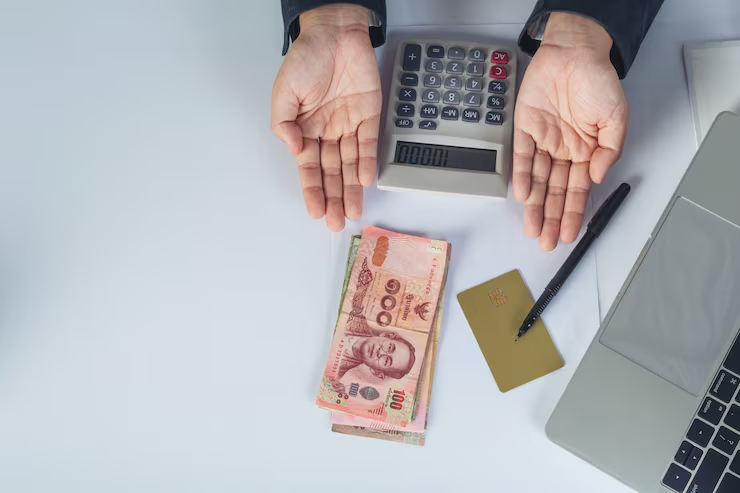
Global trade and international travel have made foreign currency exchange more important than ever. Businesses, students, and travelers often need reliable ways to access foreign currencies for payments, trade, or financial planning. For individuals and companies in Ghana dealing with China, understanding how to buy RMB and convert local currency efficiently is essential.
China is one of Ghana’s largest trading partners, which means many transactions involve the Chinese yuan. Whether paying suppliers, sending tuition, or preparing for travel, knowing the basics of converting cedis to yuan can help reduce costs, avoid delays, and ensure smooth international transactions.

Why the Chinese Yuan Matters in Global Trade
The Chinese yuan, often referred to as Renminbi (RMB), is one of the most widely used currencies in international commerce. As China continues to expand its global economic influence, the demand for RMB has increased among businesses and individuals worldwide.
Growing Trade Between Ghana and China
China plays a significant role in Ghana’s import market. Many Ghanaian businesses source electronics, machinery, textiles, and manufacturing materials from Chinese suppliers. Because of this strong trade relationship, many transactions require payments in Chinese currency.
When Ghanaian importers convert cedis to yuan, they are able to settle invoices directly with Chinese partners. This simplifies cross-border payments and often helps avoid complications related to currency fluctuations.
Benefits of Holding RMB
Holding RMB can also provide practical advantages. Businesses involved in regular imports may prefer keeping funds in Chinese currency to reduce repeated conversion fees. Additionally, students studying in China or travelers visiting the country may find it easier to manage expenses when they already have RMB available.
Understanding when and how to convert currencies can help individuals plan finances more effectively while reducing unnecessary costs.
How Currency Conversion from Cedis to Yuan Works
Currency exchange may seem complicated at first, but the process is generally straightforward once the key elements are understood.
Exchange Rates and Market Fluctuations
The value of one currency compared to another changes constantly. Exchange rates are influenced by factors such as global trade, economic stability, government policies, and international demand for specific currencies.
When converting cedis to yuan, the exchange rate determines how much Chinese currency you will receive. Monitoring these rates before making large transactions can help maximize value and avoid unfavorable timing.
Transaction Methods for Currency Exchange
There are several ways people convert currency internationally. Traditional banks offer foreign exchange services, though they may include additional fees or slower processing times. Currency exchange platforms and specialized financial services may provide faster transfers and competitive exchange rates.
For individuals or businesses looking to buy RMB efficiently, exploring dedicated exchange platforms can sometimes simplify the process. Services such as buy-rmb.com provide information and resources related to converting cedis to yuan for international payments.
Important Factors to Consider When Buying RMB
Before exchanging currencies, it is important to consider several practical factors. Careful planning helps ensure secure transactions and better financial outcomes.
Transparency of Exchange Rates
Always check whether the exchange rate offered includes hidden fees or additional service charges. Some platforms advertise attractive rates but apply transaction costs during the final step.
A transparent exchange service will clearly display the rate and associated fees so users understand exactly how much RMB they will receive.
Security and Compliance
International financial transfers must comply with regulatory standards. Secure platforms use encrypted systems and verified processes to protect user information and funds.
Individuals should ensure that the service they choose follows financial regulations and provides reliable customer support. This reduces risks associated with international payments.
Processing Time
Currency transfers can vary widely in processing time. Some transactions take several business days, especially when routed through multiple banks.
For businesses managing supplier payments, faster transfers can help prevent shipment delays or contractual issues. Choosing services that provide predictable processing times can make financial planning easier.
Practical Tips for Managing Currency Exchange
Understanding the basics of currency conversion is only part of the process. Applying smart financial habits can help individuals and businesses manage international transactions more effectively.
Monitor Exchange Trends
Even small fluctuations in exchange rates can affect large transactions. Businesses importing products from China often monitor market trends before converting significant amounts of money.
Timing currency exchanges strategically can help maximize purchasing power when converting cedis to yuan.
Plan for Regular Transactions
Companies that frequently trade with Chinese suppliers may benefit from planning currency conversions in advance. Some businesses convert funds in larger amounts during favorable exchange periods to reduce repeated fees.
Keep Financial Records
Maintaining clear records of currency transactions helps businesses track expenses, compare exchange rates over time, and ensure compliance with accounting regulations. This is particularly important for companies involved in international trade.
The Role of Reliable Currency Exchange Services
International finance continues to evolve as global trade grows. Access to transparent, reliable exchange services plays a crucial role in supporting cross-border business relationships.
For Ghanaian entrepreneurs importing goods from China, converting local currency into RMB is often a routine step in the supply chain. Efficient currency exchange allows businesses to focus on logistics, product quality, and customer demand rather than payment complications.
Similarly, individuals traveling, studying, or working abroad benefit from understanding the basics of foreign currency exchange. With proper planning and trustworthy services, international transactions can become simple and predictable.
Conclusion
Currency exchange is an essential part of international trade and global mobility. For businesses and individuals working between Ghana and China, understanding how to buy RMB and convert cedis to yuan is a valuable financial skill.
By monitoring exchange rates, choosing transparent platforms, and planning transactions carefully, users can reduce costs and ensure smoother international payments. As global connections continue to expand, having reliable methods for managing foreign currency will remain an important advantage for both businesses and individuals involved in cross-border activities.