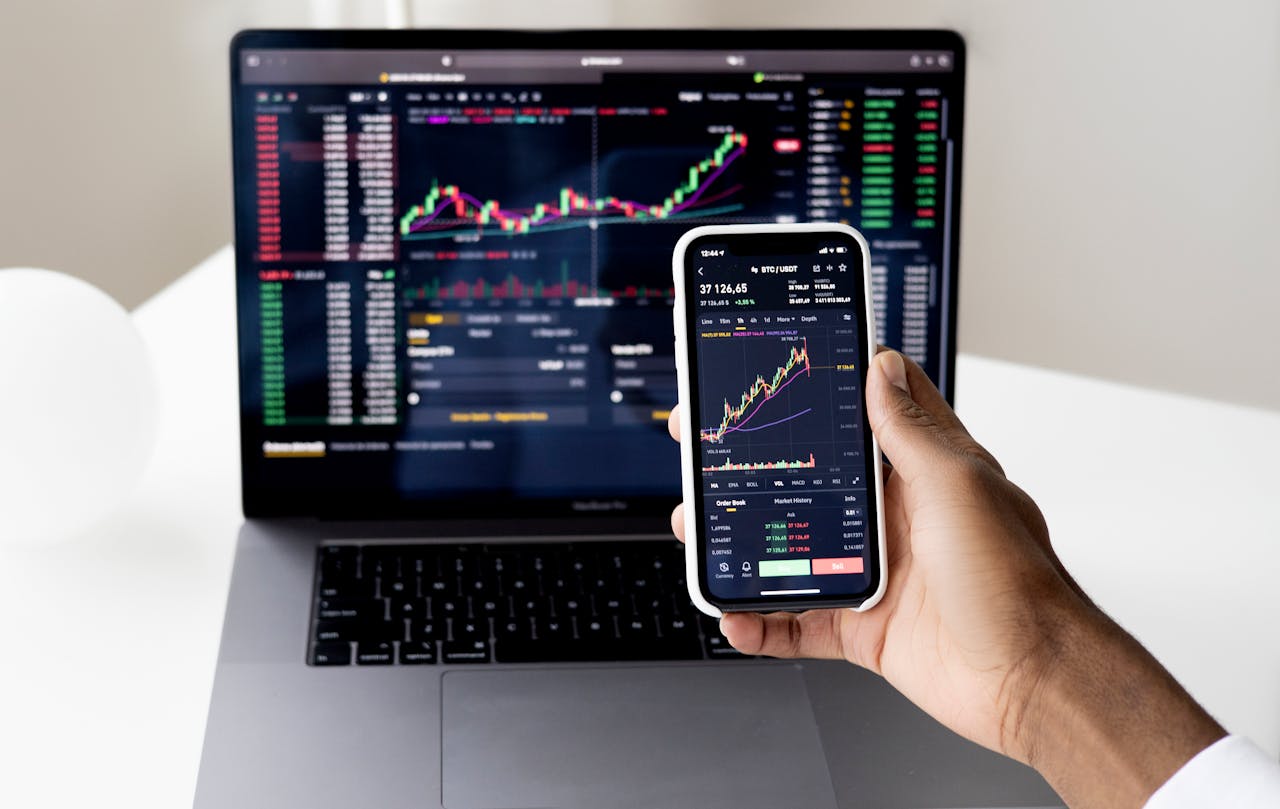
Volatility is a natural part of the stock market, and while it can be unsettling, it also presents unique opportunities for investors. Navigating volatile markets successfully requires a combination of patience, strategy, and informed decision-making. By understanding market behavior and applying expert tips, you can protect your investments and even capitalize on market fluctuations. Here’s how to manage your portfolio during uncertain times.
Stay Focused on Your Long-Term Goals
One of the most important strategies for navigating volatile markets is maintaining a long-term perspective. Market fluctuations can trigger emotional reactions, such as panic-selling during downturns or overinvesting during rallies. However, reacting impulsively can derail your financial plans.
Instead, revisit your investment goals and ensure they align with your risk tolerance and time horizon. Remember that short-term volatility is often noise in the context of long-term growth. Staying focused on your objectives helps you avoid making rash decisions based on temporary market movements.
Diversify Your Portfolio
Diversification is a proven way to reduce risk during periods of volatility. A well-diversified portfolio spreads investments across various asset classes, industries, and geographic regions, minimizing the impact of poor performance in any single area.
For instance, pairing high-growth stocks with stable dividend-paying stocks and adding bonds or real estate investments can create a balanced portfolio. Exchange-traded funds (ETFs) and mutual funds are excellent tools for achieving diversification without requiring extensive research into individual assets.
Keep Cash Reserves for Strategic Moves
Having cash reserves during volatile markets can provide a significant advantage. Cash allows you to take advantage of buying opportunities when stock prices dip. Market corrections often present the chance to invest in high-quality stocks at a discount, setting the stage for future gains as prices recover.
While keeping a portion of your portfolio in cash may seem counterintuitive, it provides flexibility and reduces the need to sell other assets during downturns to cover unexpected expenses.
Use Dollar-Cost Averaging
Dollar-cost averaging (DCA) is a disciplined investment strategy that involves investing a fixed amount of money at regular intervals, regardless of market conditions. This approach reduces the emotional impact of volatility and ensures that you’re consistently adding to your portfolio.
During market downturns, DCA allows you to purchase more shares at lower prices, which can enhance your returns when the market rebounds. Over time, this strategy helps smooth out the effects of volatility and builds wealth steadily.
Avoid Timing the Market
Trying to predict market highs and lows—known as market timing—is notoriously difficult, even for seasoned investors. Volatile markets often experience sudden and unpredictable shifts, making it nearly impossible to time entries and exits perfectly.
Instead of attempting to time the market, focus on staying invested and following your strategy. Research shows that missing just a few of the market’s best-performing days can significantly impact your returns over time. Consistency and patience are more effective than attempting to outguess the market.
Monitor Your Portfolio and Rebalance When Needed
Volatile markets can cause your portfolio to drift from its intended allocation. For example, if stocks decline sharply, your portfolio may become overweighted in bonds or other conservative assets. Regularly reviewing and rebalancing your portfolio ensures that it remains aligned with your goals and risk tolerance.
Rebalancing involves selling overperforming assets and reinvesting in underperforming ones to maintain your desired allocation. This disciplined approach helps you manage risk and take advantage of market recovery opportunities.
Focus on Quality Investments
During volatile markets, prioritize quality investments with strong fundamentals. Look for companies with solid balance sheets, consistent earnings, and a competitive advantage in their industries. High-quality stocks are more likely to weather market turbulence and recover quickly when conditions stabilize.
Blue-chip stocks and established dividend-paying companies are often safe havens during volatility, providing steady income and long-term growth potential.
Stay Educated and Seek Professional Advice
Staying informed about market trends and economic conditions is crucial during periods of volatility. Read reputable financial news, follow market analysis, and educate yourself about investment strategies. Understanding the factors driving volatility can help you make more informed decisions.
If you’re unsure about managing your portfolio in a volatile market, consider consulting a financial advisor. Professionals can provide objective advice, create a customized strategy, and ensure that your investments align with your goals.